Discover Your Dream Home: Louisville KY Homes for Sale in 2026
Louisville’s mix of historic charm and new construction continues to attract buyers across price points. According to Redfin, as of early 2026, typical Louisville homes trade in a broad range between $220,000 and $350,000, depending on neighborhood and condition. That range compares favorably to many regional metros and underscores Louisville’s relative affordability. From stately streets in Old Louisville to newer subdivisions near Middletown and Jeffersontown, the city offers distinct pockets that align with a variety of lifestyles and long-term plans.
What Neighborhoods Stand Out for Louisville KY Homes for Sale in 2026?
Buyers studying Louisville KY homes for sale in 2026 often start with the Highlands along Bardstown Road and Baxter Avenue. This corridor mixes century-old homes with updated bungalows and townhomes near Cherokee Park and Tyler Park. According to neighborhood profiles from Zillow, listing prices in central areas such as the Highlands and Crescent Hill commonly fall between $300,000 and $500,000, reflecting walkability and historic architecture. In contrast, parts of Okolona and PRP frequently show entry-level options under $250,000.
On the east side, St. Matthews and Clifton remain appealing due to proximity to Seneca Park, Trinity High School, and shopping along Shelbyville Road. According to Realtor.com, St. Matthews and nearby Windy Hills routinely record days-on-market figures in the range of 15 to 30 days, indicating steady demand. Farther east, Middletown and Anchorage combine larger lots, respected schools, and convenient access to the Gene Snyder Freeway, giving commuters an efficient route to downtown Louisville.
Those who prefer architectural variety gravitate toward Old Louisville and Germantown. Old Louisville’s Victorian mansions around St. James Court and Fourth Street offer dramatic facades, tall ceilings, and tree-lined sidewalks near Central Park. Germantown and Schnitzelburg, anchored by Goss Avenue, showcase smaller shotguns and camelbacks, many renovated with modern kitchens while retaining original hardwood floors. These neighborhoods sit within a few miles of the University of Louisville campus, Cardinal Stadium, and Muhammad Ali Boulevard, positioning residents close to healthcare employers such as Norton Hospital and UofL Health.
How Competitive Is the Market for Louisville KY Homes for Sale Right Now?
Competition in 2026 varies block by block, but overall conditions favor prepared buyers. According to Redfin, Louisville’s months of supply typically hover in a range of 1.5 to 2.5, suggesting a market that leans toward sellers in many neighborhoods. Properties in the Highlands, St. Matthews, and Crescent Hill that are well priced and move-in ready frequently receive multiple offers within the first 48 to 72 hours. In contrast, homes needing significant renovation may remain available for several additional weeks.
On warm spring evenings along Frankfort Avenue in Clifton, open-house visitors often step from quiet, freshly painted living rooms onto front porches where the scent of nearby coffee from Heine Brothers’ and barbecue smoke from local restaurants drifts through the air. Traffic on Frankfort creates a soft hum under the calls of pedestrians heading toward Crescent Hill Reservoir. Porch railings cool under the touch as the sun drops behind the steeple of St. Francis of Assisi, helping buyers imagine daily life on this lively corridor.
According to market summaries from Zillow, the share of Louisville homes selling above list has recently ranged from roughly 25% to 35%, depending on quarter and price tier. In-demand areas near Eastern High School and duPont Manual High School tend to show stronger bidding, particularly for updated properties under $450,000. In west and south Louisville neighborhoods, buyers may encounter more room for negotiation, though well-maintained homes near parks such as Iroquois Park and Shawnee Park still attract quick attention.
What Types of Properties Dominate Louisville KY Homes for Sale?
The Louisville housing landscape spans historic brick foursquares, mid-century ranches, and newer suburban builds. Along Southern Parkway near Iroquois Park, mid-century homes with broad front porches and mature trees remain common. In Fern Creek and Jeffersontown, two-story homes from the 1990s and 2000s with attached garages dominate many subdivisions. According to architectural overviews from Niche, single-family homes account for well over 60% of the city’s housing stock, with townhomes and condos filling in closer to downtown.
Downtown Louisville and NuLu present a different profile, offering loft-style condos near Slugger Field, Waterfront Park, and the Muhammad Ali Center. According to Walk Score, parts of downtown and the medical district around University of Louisville Hospital achieve walk scores in the 80 to 90 range, making car-free living more feasible. These buildings often include secure parking, fitness centers, and rooftop terraces looking over the Ohio River, drawing professionals who value short commutes to Norton Children’s Hospital and Humana’s headquarters.
A late-afternoon tour of a restored Victorian on Magnolia Avenue in Old Louisville often begins with the faint echo of footsteps across original pine floors and the subtle scent of lemon oil on banisters polished smooth by generations. Stained-glass windows catch slanting light, scattering color onto carved fireplaces, while faint traffic sounds from Hill Street mingle with birdsong from Central Park. In the upgraded kitchen, the cool marble counters contrast with the warmth of exposed brick, helping visitors feel the pull of both history and comfort.
How Do Schools, Parks, and Amenities Shape Louisville KY Homes for Sale?
Access to education remains a central driver of value among Louisville KY homes for sale. According to GreatSchools, schools such as duPont Manual High School, Male High School, and Brown School often receive ratings in the upper range of 7 to 10 out of 10. Properties within favored assignment zones or near sought-after magnet programs can command premiums of tens of thousands of dollars, particularly when combined with short travel distances to employment hubs along Broadway and the Medical Center.
Parks add another layer of appeal. Cherokee Park, designed by Frederick Law Olmsted, offers winding drives, open meadows, and wooded trails that anchor nearby Highlands and Cherokee Triangle streets. Seneca Park, Iroquois Park, and Shawnee Park deliver similar benefits across different sections of the city. According to park statistics from Louisville Metro Parks, the city maintains over 120 parks and green spaces, creating widespread access to outdoor recreation within a short drive of most homes.
Retail and entertainment centers influence daily convenience. St. Matthews Mall and Oxmoor Center along Shelbyville Road provide shopping and dining options within a few miles of neighborhoods like Beechwood Village and Norbourne Estates. Downtown, Fourth Street Live! offers restaurants and live music within walking distance of many high-rise condos. Near the Louisville Zoo and Joe Creason Park, mid-town subdivisions appeal to residents seeking quick access to both recreation and employment corridors along Poplar Level Road and Bardstown Road.
What Costs and Financing Considerations Matter for Louisville KY Homes for Sale?
Financing dynamics in 2026 continue to shape monthly costs more than list prices alone. According to mortgage guidance from HUD, the minimum down payment for FHA loans remains at 3.5%, offering an entry point for buyers without large savings. Conventional loans often require down payments between 5% and 20%, depending on credit profile and mortgage insurance. On a home priced near $300,000, that difference can translate into tens of thousands of dollars upfront, so careful budgeting remains essential.
Property taxes also factor into long-term affordability. According to data summarized by Tax Foundation, Kentucky’s average effective property tax rate typically falls in a range around 0.8% to 1%, lower than many Midwestern states. In Jefferson County, actual bills vary by district, school funding needs, and special assessments. Utility costs, homeowners insurance, and any applicable homeowners association dues in newer subdivisions near Middletown, Shively, or Valley Station may add another few hundred dollars per month.
Closing expenses deserve equal attention. According to fee surveys compiled by Bankrate, average closing costs in Kentucky often range between 2% and 5% of the purchase price, covering lender charges, title work, and prepaids. On a home at $350,000, that can mean an additional $7,000 to $17,500. Some buyers offset these figures through seller credits or lender programs, while others structure offers that prioritize price reductions instead of concessions.
The $220,000 to $350,000 range cited at the start of this guide reflects Louisville’s continued position as a comparatively affordable metro, even as demand and competition increase in key neighborhoods. That initial pricing band also underscores how neighborhood selection, school access, and amenity proximity can shift effective budgets by tens of thousands of dollars. The Greater Louisville Association of Realtors market reports provide ongoing insight into inventory trends, closed-sale ranges, and seasonal patterns across the metro. Buyers who monitor those statistics closely and register listing alerts through trusted portals before the spring surge in March, then commit to touring promising properties within 24 to 48 hours of activation, consistently secure stronger positions and avoid the higher prices and tighter choices that often emerge by late summer.
FROM OUR BLOG
Relocating to Mount Washington KY: Essential Tips for a Smooth Move
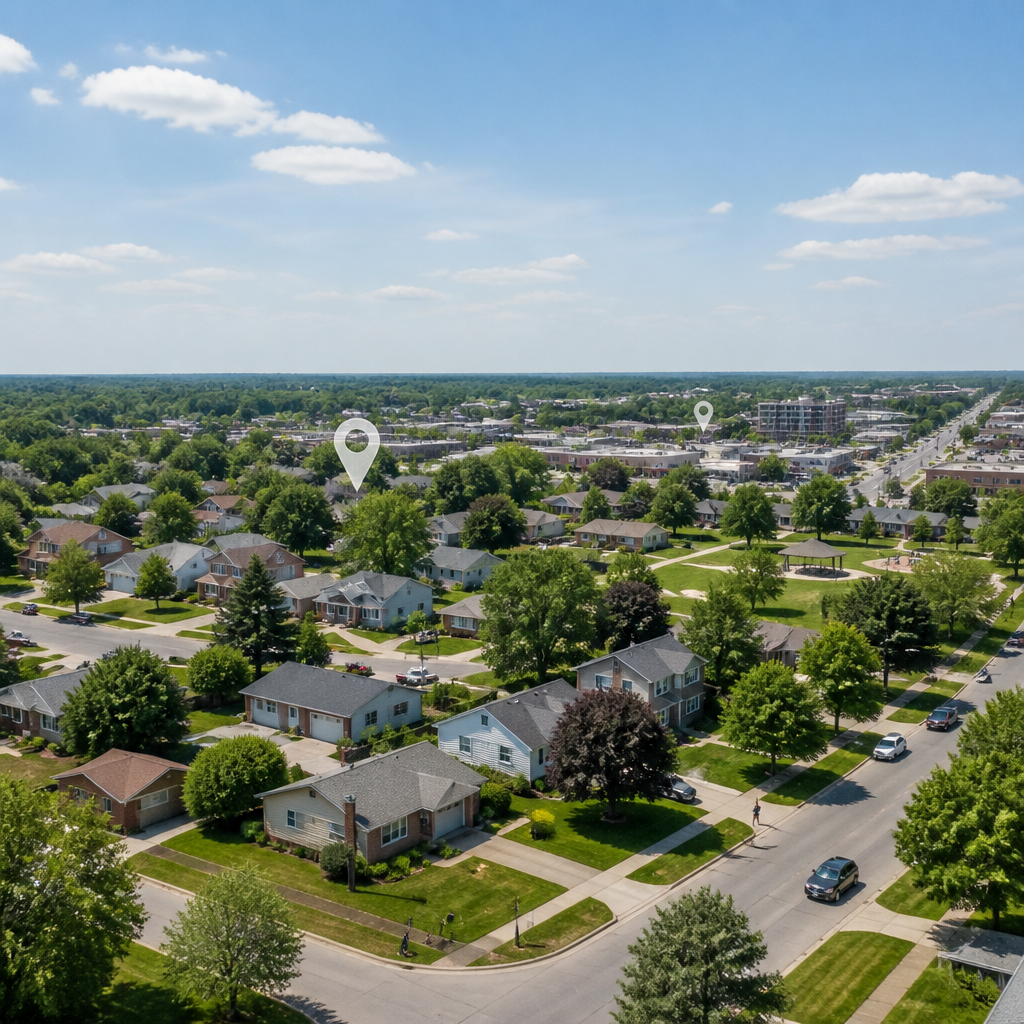
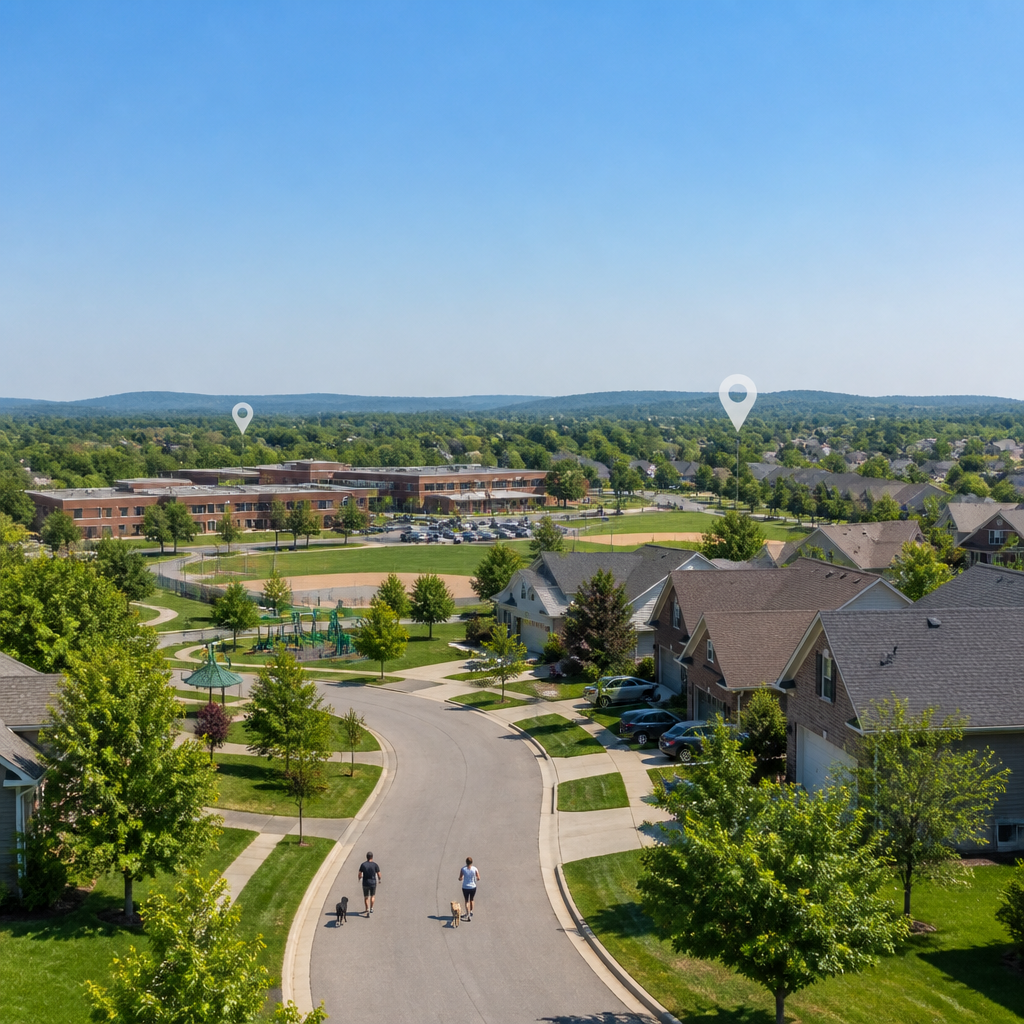
Relocating to Mount Washington KY: Essential Tips for a Smooth Move Relocating to Mount Washington KY appeals to households seeking suburban calm with straightforward Louisville access. According to U.S. Census QuickFacts, the city’s population reached approximately 18,090 residents in 2023, reflect
The Ultimate Guide to Shepherdsville KY Rentals: 2026 Market Insights
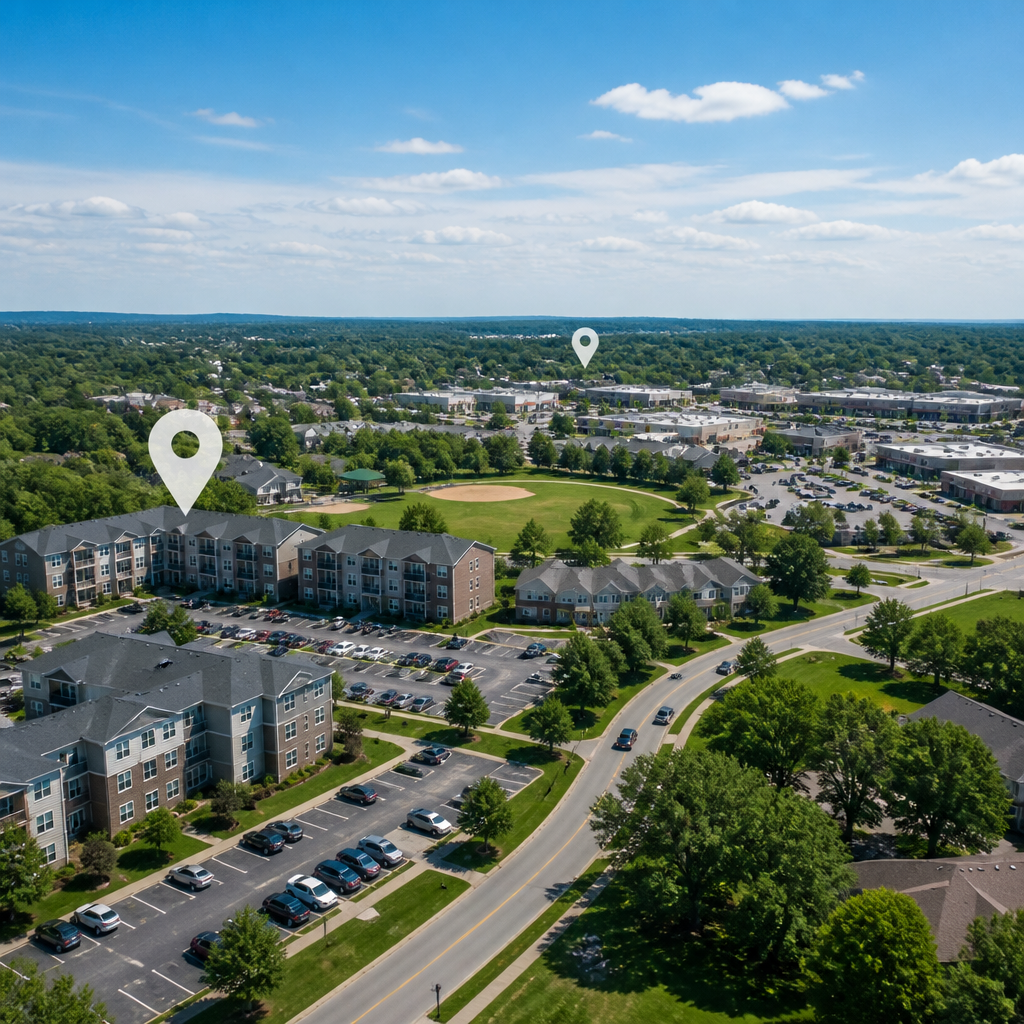
The Ultimate Guide to Shepherdsville KY Rentals: 2026 Market Insights Shepherdsville sits along the Salt River just south of Louisville and anchors a fast-growing rental corridor in Bullitt County. According to Zillow, available Shepherdsville KY rentals typically range from $900 to about $1,600 per